

Usbellows logo.png
EJMA Logo

US Bellows is a Standards Subscriber | Exp: Dec 31, 2026 | See ejma.org to check verification process
Celebrating over 20 years of EJMA membership

EPDM Tied Expansion Joints for a Construction Company in Texas

May 23, 2003
EPDM Tied Expansion Joints for a Construction Company in Texas

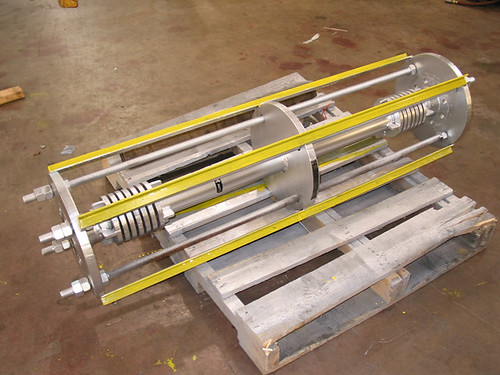
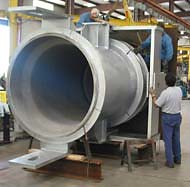
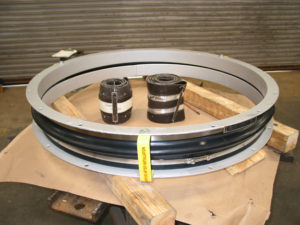
U.S. Bellows, Inc. designed and fabricated 2 EPDM tied expansion joints for a construction company in Texas.  These expansion joints have an inside diameter of 29”. They are composed of A516 carbon steel grade 70 with a six-rod control assembly, EPDM, and plate flange. They were hydro-tested to 217 PSI. These joints were ordered on a one-week rush basis to replace an existing joint that was leaking.

Read More

Refractory-lined Expansion Joint for an FFC Unit in India

May 2, 2003
Refractory-lined Expansion Joint for an FFC Unit in India

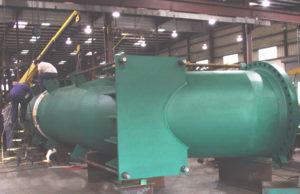
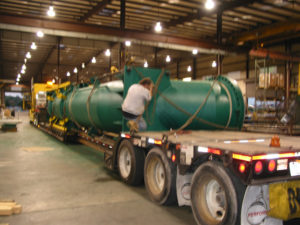
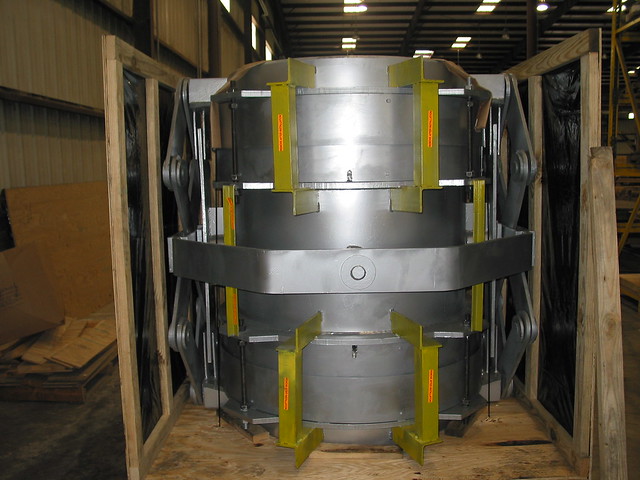
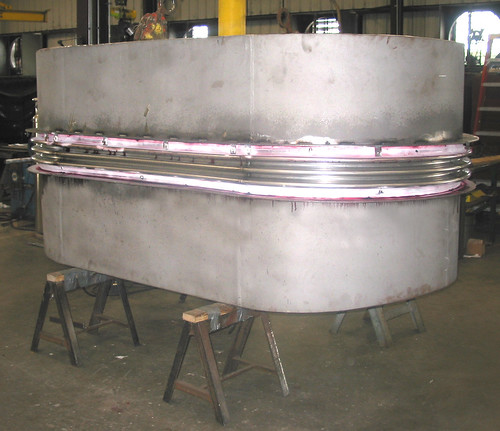
U.S. Bellows, Inc. designed and fabricated this refractory lined universal expansion joint for an FFC Unit in India.  This is a 70″, outside diameter, tied refractory-lined universal expansion joint with two-ply Inconel® 625 LCF bellows, A516 weld ends and spool, and a 4″ thick refractory lining per UOP specifications. This joint was designed at 51 PSIG and 1400 degrees F. Bellows long seam welds were 100% x-rayed and 100% dye-penetrant before and after forming. It was also pneumatic tested at 57 PSIG the refractory lining was dried out per UOP specifications.

Read More

Rectangular Fabric Expansion Joint for Coal Fired Power Plant in Puerto Rico

February 4, 2003

Rectangular Fabric Expansion Joint for Coal Fired Power Plant in Puerto Rico
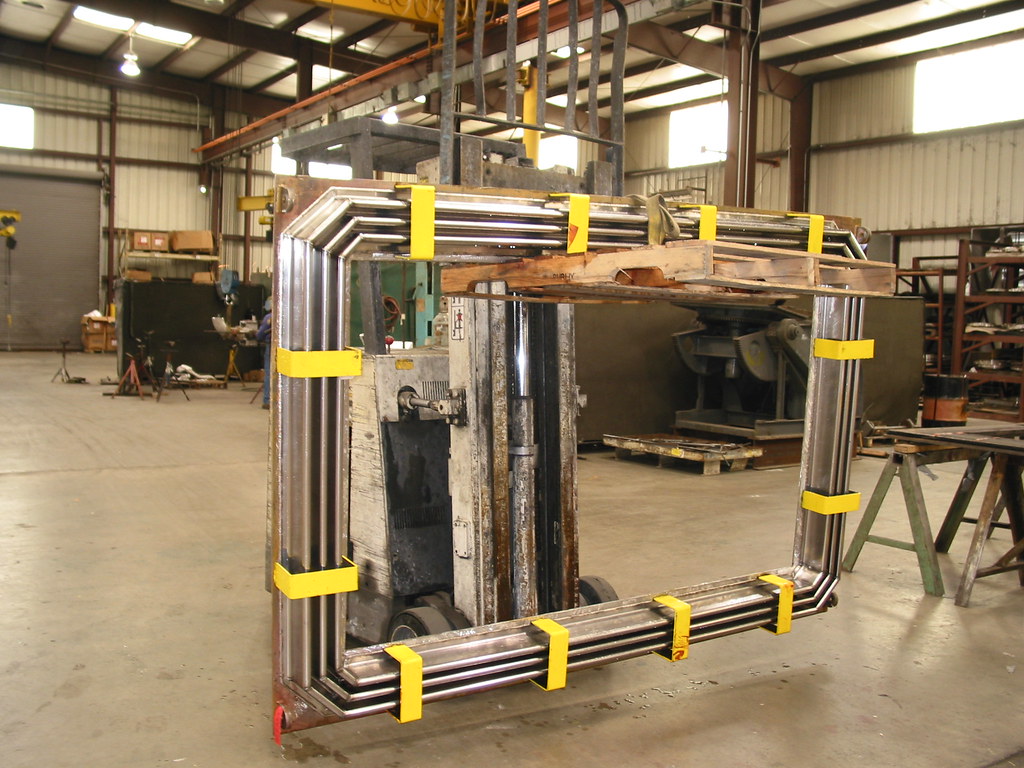
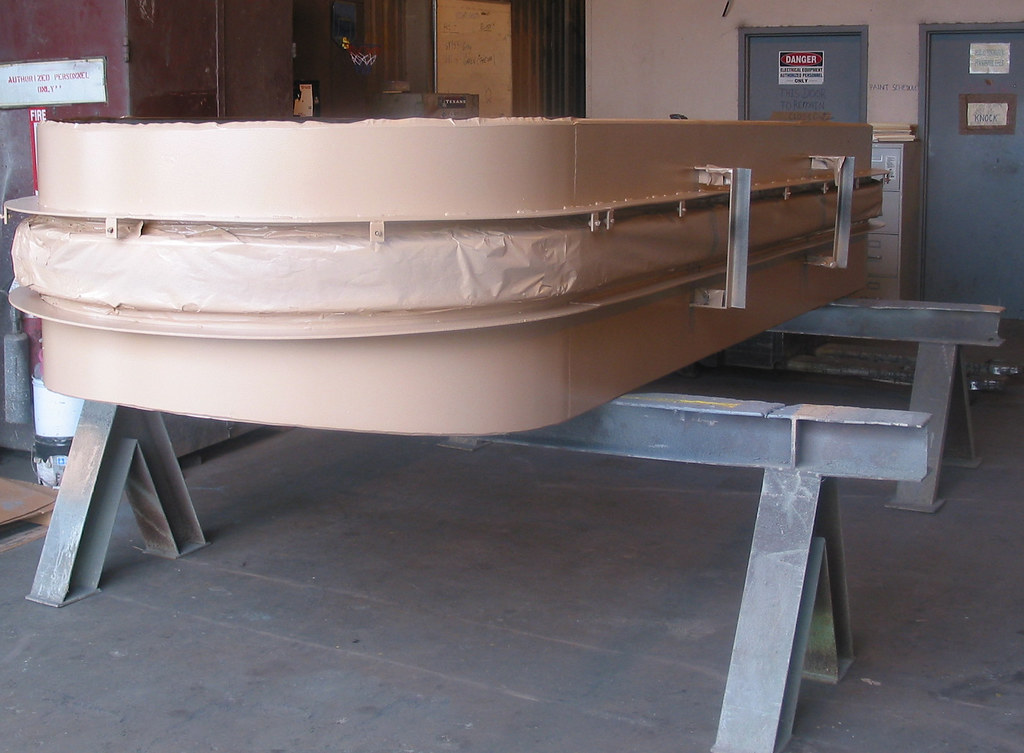
U.S. Bellows, Inc. designed and manufactured a 21’ x 14′ fabric expansion joint for a power plant in Puerto Rico. This expansion joint was designed at 1 PSIG and 1200 °F for an air duct at the power plant. The frame is all A-240 and 304 stainless steel construction. This expansion joint is equipped with 6” thick insulation pillows. Telescoping liners hold the insulation pillows between the liner and the fabric belt to reduce heat transfer and prevent ash accumulation.

Read More

54″ Diameter Tied Universal Expansion Joint for NASA Space Center

March 1, 2002

54" Diameter Tied Universal Expansion Joint for NASA Space Center

54″ Diameter Tied Universal Expansion Joint for NASA Space Center

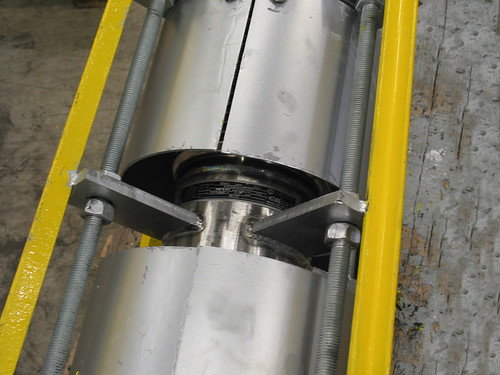
U.S. Bellows, Inc., the expansion joint division of Piping Technology & Products, Inc., specially designed and fabricated a 54″ diameter tied, universal expansion joint for NASA Space Center. The expansion joints were designed at full vacuum and 450° F and constructed with 304 SS bellows, liner and A516 Gr. 70 spool, weld ends and carbon steel tie rods. The bellows’ attachment welds were 100% dye-penetrant tested.

Read More

U.S. Bellows Fabricates Expansion Joints for Power Plant in China

September 4, 1998

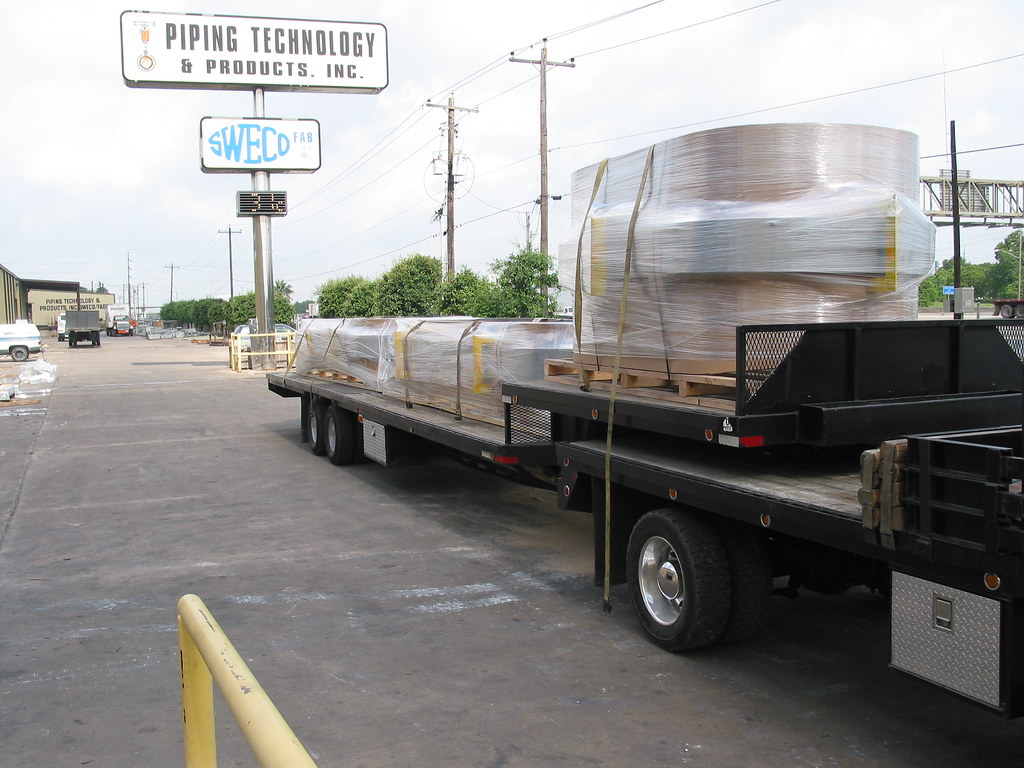
U.S. Bellows, Inc., a subsidiary of PT&P, has recently supplied four 72-inch expansion joints required for the piping system of a power plant being built in Zhuhai, China. These large expansion joints will carry the exhaust from the plant’s boiler feed pump turbines.

72" Dia. Universal Expansion Joint

72″ Dia. Universal Expansion Joint

This critical piping application often requires pressure-balanced expansion joints, but in this case a unique combination of a universal joint in one plane (left side of photo) and a hinged joint (right side of photo) was used.

Read More

Helium Tests for Aluminum Bellows

October 4, 1997

This photo shows a 42 inch bellows made by PT&P being tested by Leak Detection Specialist Inc. After sealing the bellows a full vacuum is pulled on the inside, then helium is sprayed over the surface of all welds. A pump pulls any gas which leaks to the interior of the bellows to a special mass spectrometer designed to detect the helium. If helium is detected, the point of the surface where it was sprayed is marked for repair. When no leaks are found, the flow rate of helium to the mass spectrometer is measured against a standard for aluminum, in this case 0.000001 cc/sec. Helium molecules are so small, they will penetrate aluminum at a slow rate when the pressure difference of a full vacuum is applied.

Leak Detection Test

Leak Detection Test

A mass spectrometer functions by accelerating a narrow beam of ions of a gas sample through a magnetic field. When they reach the magnetic field, the amount they are deflected depends on their charge-to-mass ratio. In this application the detector is set to record helium ions. In order to measure the flow rate of the helium when no leaks are detected, the entire system is sealed in a plastic “bag”. LDS can measure helium flow rates as small as 0.00000001 cc/sec.

Read More