


Call 1-281-241-9418 or connect with an expansion joint expert.
Overview
Effective management of multi-planar angular rotation is essential for piping systems with complex movements that could lead to severe structural stress.
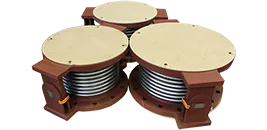
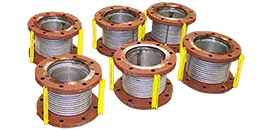
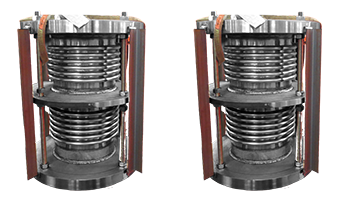
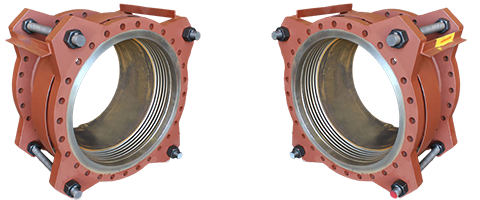
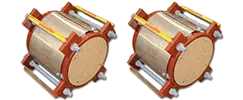
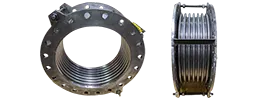
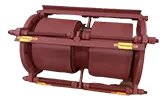
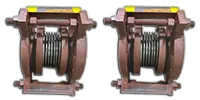
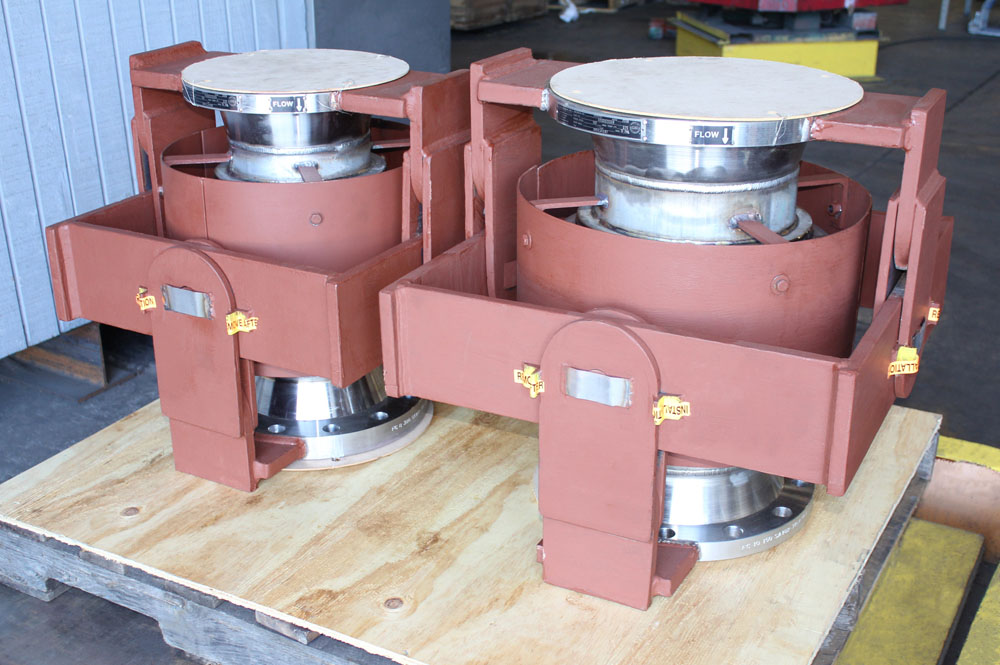
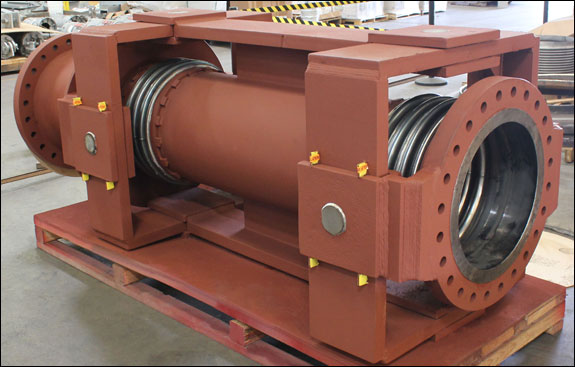
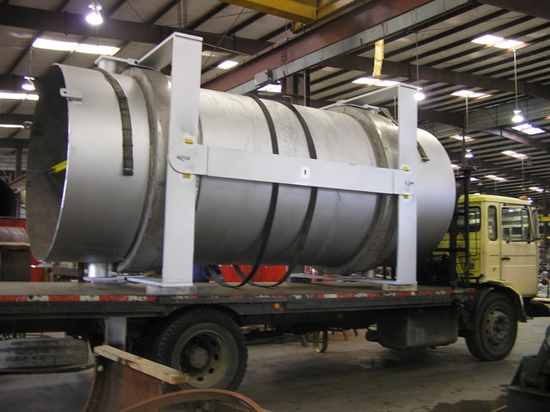
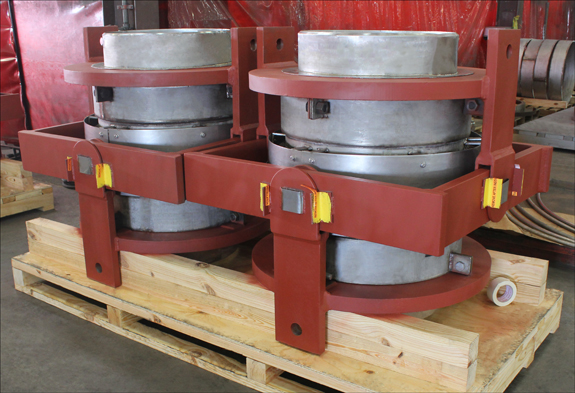
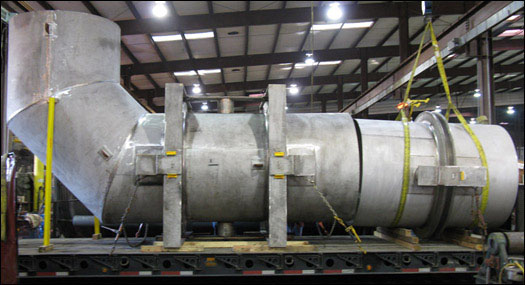
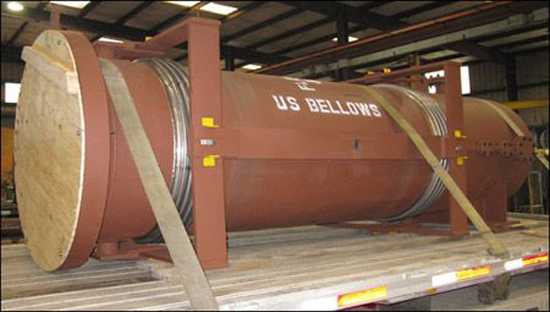
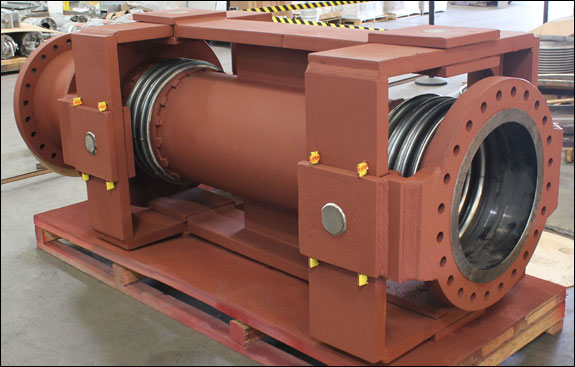
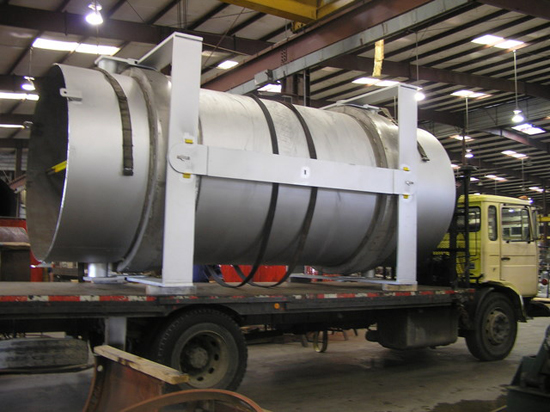
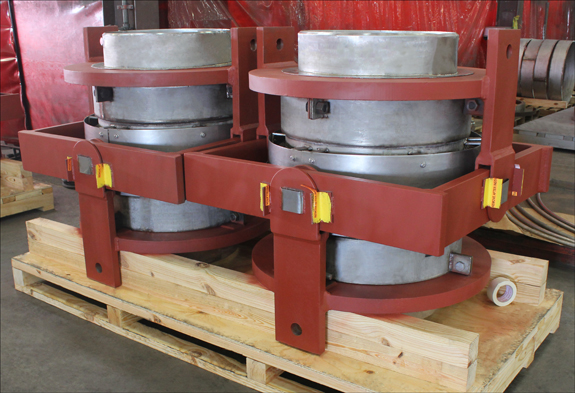
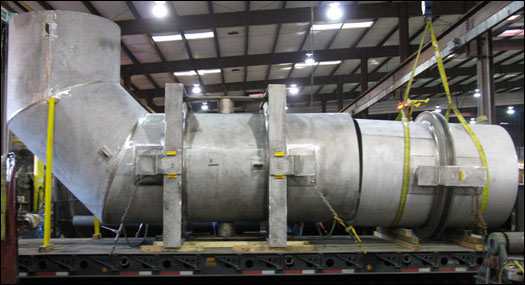
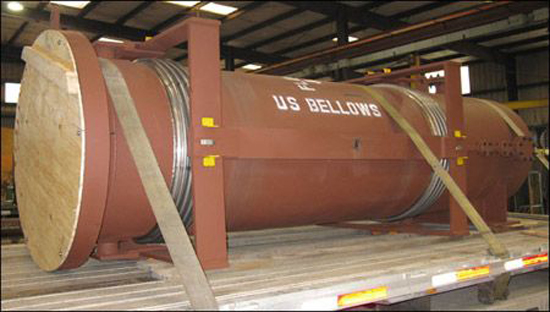
The gimbal expansion joint is specifically engineered to absorb angular deflection in two-planes. By using dual hinge pairs coupled with a central gimbal box, this assembly effectively restrains internal pressure thrust and eliminates the need for heavy main anchors.
By implementing a custom-engineered gimbal expansion joint, facilities can safely accommodate thermal expansion and mechanical movement and prevent destructive loads from being transferred to surrounding structural steel or equipment.
Featured
- Absorbs angular rotation
- Eliminates pressure thrust forces
- Transmits shear and wind loads
- Supports dead weight
- Prevents torsion on bellows
- No main anchors required
- Minimum guiding required
- Low forces on piping system
Technical Information
Installation & Maintenance (Metallic Expansion Joints)
Hinged/Gimbal Expansion Joint Examples
Types of Metallic Bellows Deflections
Bellows Expansion Joint Loads
How to Look for Signs of Expansion Joint Failure
View more Technical Information
FAQs
Q: How does a gimbal expansion joint differ from a standard hinged expansion joint?
A: While a standard hinged joint is restricted to angular movement in a single plane, a gimbal expansion joint features two pairs of hinges attached to a common central ring or box, allowing it to smoothly absorb angular rotation in two planes simultaneously.
Q: Does a piping system using a gimbal expansion joint require heavy main anchors?
A: No. The integrated hinge and ring hardware of a gimbal expansion joint is engineered to fully restrain the internal pressure thrust forces. This self-restraining feature eliminates the need for heavily reinforced main anchors, greatly simplifying the overall structural support requirements.
Q: Can a single gimbal expansion joint absorb axial (straight-line) movement?
A: No. By design, a single gimbal expansion joint restrains axial movement and only absorbs angular rotation. However, when engineers use two or more gimbal joints together in a piping system, they can effectively manage complex lateral and axial displacements.
Q: What types of industrial applications benefit most from a gimbal expansion joint?
A: Systems operating under extreme pressure or temperature with complex, multi-directional routing, such as aerospace testing facilities, chemical processing plants, and power generation stations, greatly benefit from the structural stability and multi-planar flexibility of a gimbal expansion joint.
Other FAQs:
Case Studies
7/17/17: Double Gimbal Expansion Joints with 2-Ply Bellows for a Chemical Plant
2/13/17: Gimbal Expansion Joints Designed for a Pipeline in Texas
12/7/15: Gimbal Expansion Joints Designed for a Flare Gas and Steam Application in a Methanol Plant
8/31/15: 28″ Dia. Gimbal Expansion Joint Designed with Floating Rings for a Pipeline in Tennessee
Request A Quote