


Call 1-281-241-9418 or connect with an expansion joint expert.
Overview
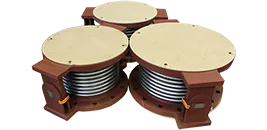
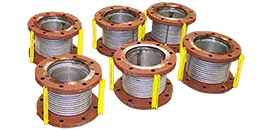
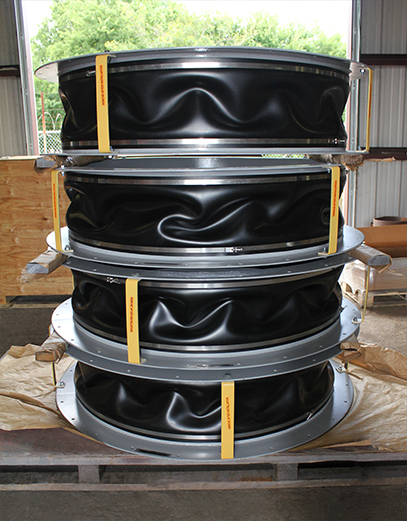
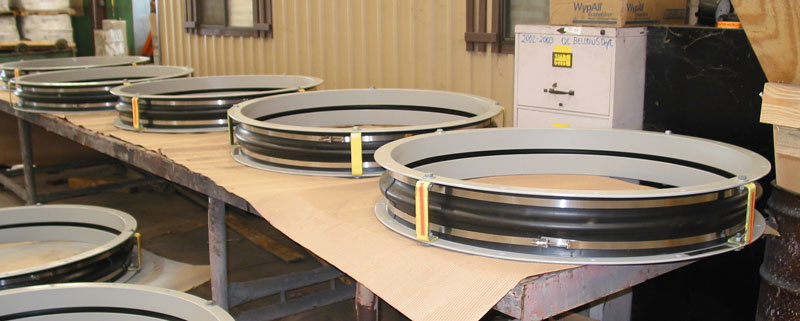
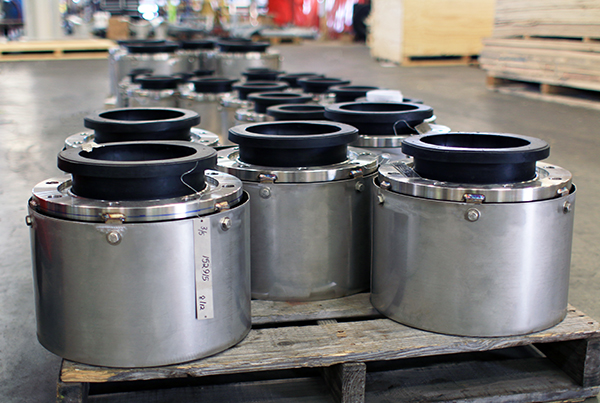
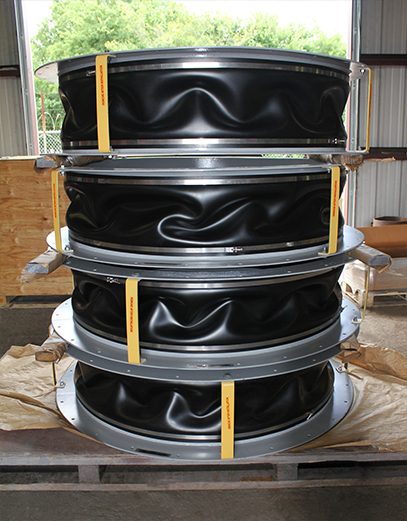
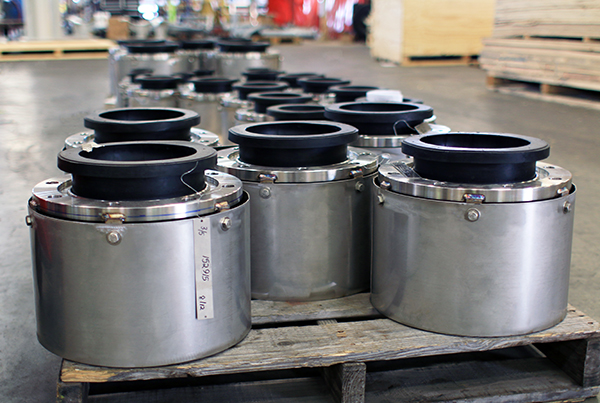
Managing vibration and absorbing sound in fluid systems requires specialized, flexible components. A rubber expansion joint effectively dampens mechanical noise generated by pumps and compressors.
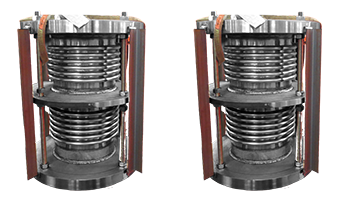
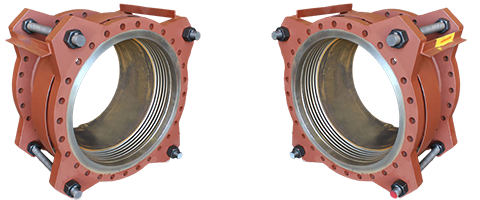
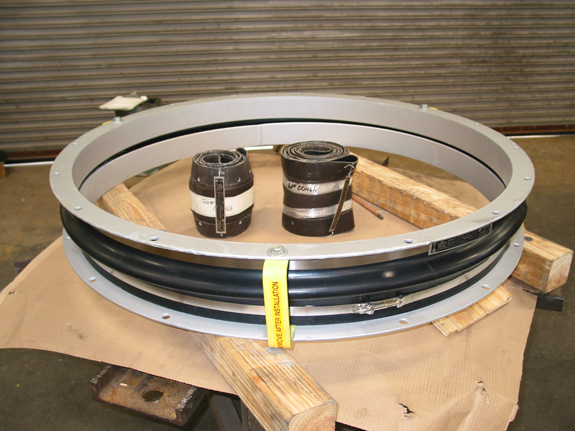
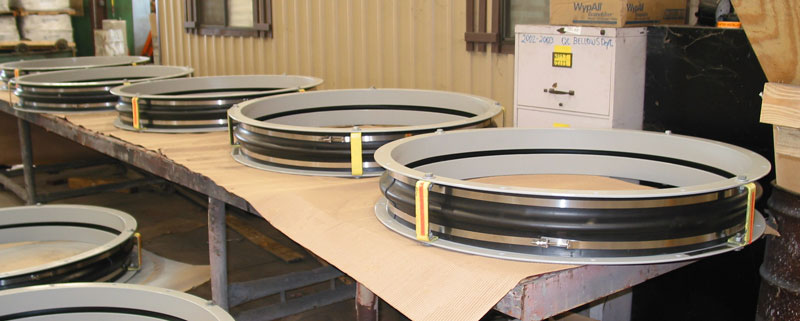
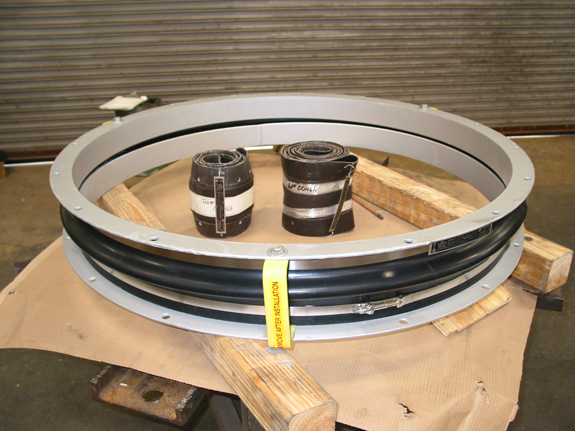
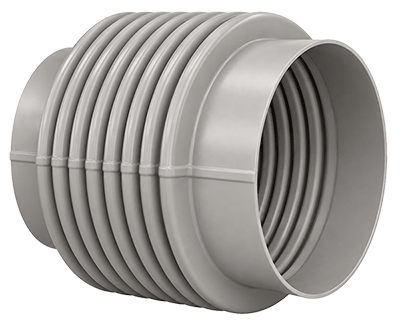
Using a rubber bellows expansion joint allows piping networks to handle shock and thermal movement safely. A properly designed rubber expansion joint assembly accommodates axial compression and lateral deflection without compromising surrounding equipment.
Integrating high-quality rubber bellows expansion joints into the pipeline prevents premature wear on rigid pipe connections or structural components.
Download 3D Models
FAQ
Q: What are the primary benefits of using rubber expansion joints in a piping network?
A: These components excel at absorbing mechanical vibration and reducing acoustic noise. They also compensate for minor piping misalignment during installation.
Q: How does a rubber bellows expansion joint manage thermal movement?
A: The inherent elasticity of the elastomer allows the unit to compress and extend smoothly. This continuous flexibility prevents the transfer of heavy structural loads to nearby equipment.
Q: Can rubber bellows operate safely in high-pressure lines?
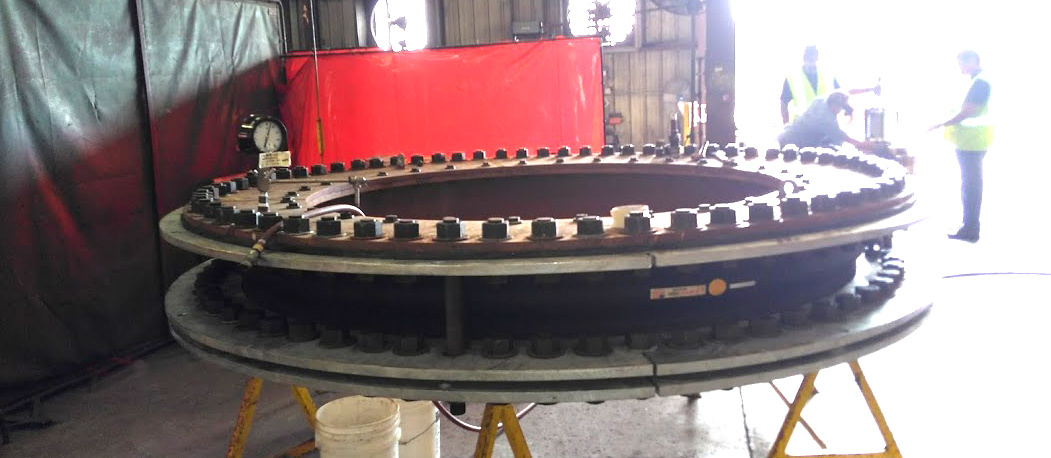
A: Yes. Manufacturers often reinforce the elastomeric body with synthetic fabrics or steel wire to increase pressure ratings and maintain overall stability.
Q: Where is a rubber expansion joint typically installed within a facility?
A: Facilities frequently install these expansion joints rubber near large circulating pumps or chillers to isolate dynamic vibrations from the rest of the fixed piping infrastructure.
Other FAQs:
When do we use a rubber molded expansion joints?
For rubber bellows in CAESAR, do we need to specify any stiffness, since it is typically low?